Unlock Rich Flavor: Best Pumpkin Puree Techniques for Your Pie
The aroma of a freshly baked pumpkin pie is a hallmark of autumn and holiday celebrations. It’s a dish that evokes comfort, tradition, and pure culinary delight. Yet, beneath its seemingly simple façade lies a surprising complexity. Many home bakers grapple with common challenges: a soggy crust, a cracked surface, a bland or overly sweet filling, or a texture that's less than perfectly smooth and custardy. The secret to transcending these hurdles and achieving that dream slice often begins not with the spices or the crust, but with the very heart of the pie: the pumpkin puree itself.
Developing a truly stellar pumpkin pie recipe is a journey of trial and error, as many culinary experts attest. It's a delicate balance of sweetness, spicing, and texture. While the world of pumpkin-flavored treats has expanded to lattes, cookies, and breads, the classic pumpkin pie holds a special, revered place. And for good reason – when perfected, it’s an unrivaled experience. This article delves into the critical role of pumpkin puree and the best techniques to ensure your next pumpkin pie is nothing short of magnificent.
The Quest for Pumpkin Pie Perfection: More Than Just a Recipe
A truly great pumpkin pie is characterized by several key elements: a soft, perfectly set filling that is custardy, not curdled; a harmonious blend of spices that enhances the pumpkin without overwhelming it; a balanced sweetness; and crucially, a crack-free, bronzed surface atop a non-soggy crust. Achieving this idyllic standard is often more challenging than it appears. Bakers frequently battle issues like a too-thick or too-thin filling, an unpleasant "curdled" texture, or severe cracks that mar the pie's aesthetic.
These persistent problems often stem from moisture content and ingredient quality, particularly the star ingredient: pumpkin puree. The way pumpkin is prepared can drastically alter the final texture and stability of the pie. Whether you opt for the convenience of canned puree or the satisfaction of homemade, understanding the nuances of pumpkin preparation is paramount to baking a pie that earns rave reviews.
Fresh vs. Canned: Debunking the Pumpkin Puree Dilemma
One of the most frequently debated questions among pumpkin pie enthusiasts is whether to use fresh or canned pumpkin puree. Both have their merits and drawbacks, and the choice often depends on time, preference, and desired outcome.
- Canned Pumpkin Puree: The ultimate in convenience, canned puree offers consistent texture and moisture levels, which can be a godsend for busy bakers. Its reliability makes it a popular choice for achieving predictable results. However, some argue it lacks the vibrant flavor of freshly prepared pumpkin.
- Fresh Pumpkin Puree: Proponents of fresh pumpkin rave about its natural flavor and the satisfaction of a truly homemade pie. But herein lies the challenge: fresh pumpkin contains a significant amount of water, and its preparation method can make or break your pie. Many attempts at fresh puree result in a filling that is either too watery, leading to a soggy bottom, or too thick and fibrous, resulting in a less-than-silky texture.
After extensive experimentation, many culinary experts have concluded that the ideal fresh pumpkin puree, designed for the delicate balance required by pumpkin pie, should mimic the consistency of its canned counterpart. The key lies not just in choosing fresh pumpkin, but in the specific technique used to process it.
Why Your Preparation Method Matters
The method you choose for preparing fresh pumpkin fundamentally impacts the final texture of your puree and, consequently, your pie:
- Boiling: Submerging pumpkin pieces in water to cook them is a common but detrimental method for pie puree. Boiling causes the pumpkin to absorb excessive water, resulting in a thin, watery puree that will inevitably lead to a soggy crust and a less-set filling.
- Roasting: While roasting pumpkin often enhances its flavor for other dishes, it tends to dry out the pumpkin significantly for pie purposes. Once mashed, roasted pumpkin can be too thick and dense, yielding a pie filling that lacks the desired softness and custardy consistency.
Mastering Homemade Pumpkin Puree: Techniques for Superior Texture
The undisputed champion for preparing fresh pumpkin puree for pies is steaming followed by sieving. This method yields a puree that is, in the words of seasoned bakers, "virtually identical to canned pumpkin" in terms of consistency and moisture, ensuring the perfect base for a silky-smooth pie filling.
The Steaming & Sieving Method: Step-by-Step
- Select Your Pumpkin: Choose smaller, sweeter varieties like Sugar Pie, Kabocha, or Hokkaido pumpkins, as they have less water content and more flavor than carving pumpkins.
- Prepare the Pumpkin: Wash the pumpkin, cut it in half, scoop out the seeds and stringy bits. Then, peel the skin and chop the flesh into roughly 1-inch pieces. Keeping the pieces uniform ensures even cooking.
- Steam to Perfection: Place the pumpkin pieces in a steamer basket over simmering water. Cover and steam until the pumpkin is fork-tender, typically 15-20 minutes depending on the size of your pieces. Steaming cooks the pumpkin gently without waterlogging it, preserving its natural flavor and minimizing excess moisture.
- Puree with Care: Once tender, remove the pumpkin from the steamer. Mash it thoroughly with a potato masher, or for an even smoother consistency, transfer it to a food processor and blend until completely smooth.
- The Sieve Secret: This is the most crucial step. Pass the mashed or processed pumpkin through a fine-mesh sieve or a food mill. This essential action removes any remaining fibrous bits and, more importantly, presses out any residual excess moisture that could lead to a watery pie. The result is an incredibly smooth, thick, and consistent puree, ready for your pie.
- Cool Completely: Allow the homemade pumpkin puree to cool down completely before incorporating it into your pie filling mixture. Using warm puree can negatively impact the setting of the custard.
By employing this steaming and sieving technique, you gain the fresh flavor of homemade pumpkin without compromising the critical consistency needed for a flawlessly set pumpkin pie.
Beyond the Puree: Essential Tips for a Flawless Pumpkin Pie
While perfecting your pumpkin puree is a huge step, other techniques contribute significantly to that crack-free, custardy slice of pumpkin pie nirvana.
- The Spice Bloom & Moisture Control: A common culprit for soggy crusts and bland spice profiles is skipping a crucial initial step. Many expert recipes call for gently cooking the pumpkin puree and spices (canned or fresh) in a saucepan for just about 5 minutes. This seemingly small step offers two immense benefits:
- Removes Excess Water: Even canned pumpkin has some moisture that, if not addressed, can seep into your pie crust, leading to a dreaded soggy bottom. This brief cooking period evaporates just enough water to prevent this.
- Blooms the Spices: Heating spices gently with the pumpkin allows their aromatic compounds to release and intensify, creating a much richer, deeper, and more nuanced flavor profile in the final pie filling. It ensures the spices are prominent but not overwhelming.
- Crust Considerations: A good pie begins with a good crust. Whether you opt for a store-bought crust for ease or brave a homemade version, ensure it's blind-baked if your recipe calls for it. For homemade crusts, a food processor can whip up a perfect dough in minutes, making it far less intimidating than many imagine.
- Preventing Cracks: Cracks are usually a sign of overbaking or sudden temperature changes. To avoid them:
- Don't Overbake: The pie is done when the edges are set, but the center still has a slight jiggle (like jello) when gently nudged. The residual heat will continue to cook it as it cools.
- Cool Slowly: Allow the pie to cool gradually on a wire rack, away from drafts. Drastic temperature shifts can cause the surface to contract and crack. Sometimes, the teeniest hairline cracks at the edges are unavoidable, but they often "self-heal" as the pie settles.
- Balanced Sweetness and Spicing: The goal is to let the natural sweetness and earthy notes of the pumpkin shine through, complemented by warm spices like cinnamon, nutmeg, ginger, and cloves. Taste your filling mixture before baking to adjust sweetness or spice levels if desired. The perfect pie shouldn't be overly sweet but should offer a delightful interplay of flavors.
The Art of Assembly and Finishing Touches
Once your puree is prepped and your spices bloomed, the rest is largely a "dump and mix" job! Whisk your eggs, cream, and other liquid ingredients into the cooled pumpkin-spice mixture until smooth. Pour into your prepared pie crust and bake. After all the effort in preparing the filling, the serving is the final flourish.
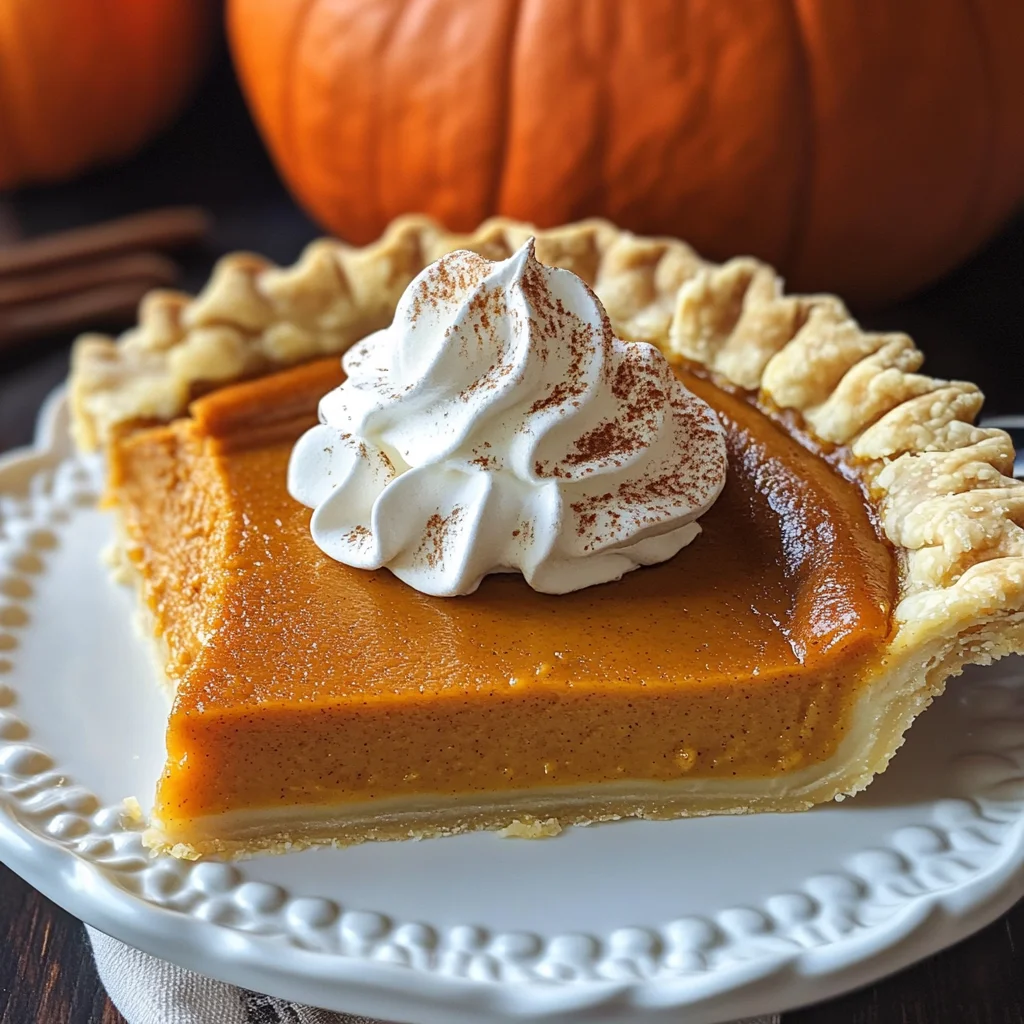
A generous dollop of freshly whipped cream is not merely an accompaniment; it's an essential element. Its cool, airy creaminess perfectly complements the warm, custardy richness of the pumpkin pie, adding another layer of texture and flavor that completes the experience. Sugared cranberries or a sprinkle of toasted pecans can also elevate the presentation and taste.
The journey to the perfect pumpkin pie, complete with its soft, custardy filling and crack-free surface, is a rewarding one. It’s a testament to the power of thoughtful technique, especially when it comes to preparing the star ingredient: pumpkin puree. By embracing the steaming and sieving method for fresh pumpkin or understanding the consistent nature of canned, and by applying these essential baking tips, you are well on your way to unlocking the rich, authentic flavor that defines an truly exceptional pumpkin pie. So go forth, bake with confidence, and enjoy the unparalleled taste of your perfected creation.
