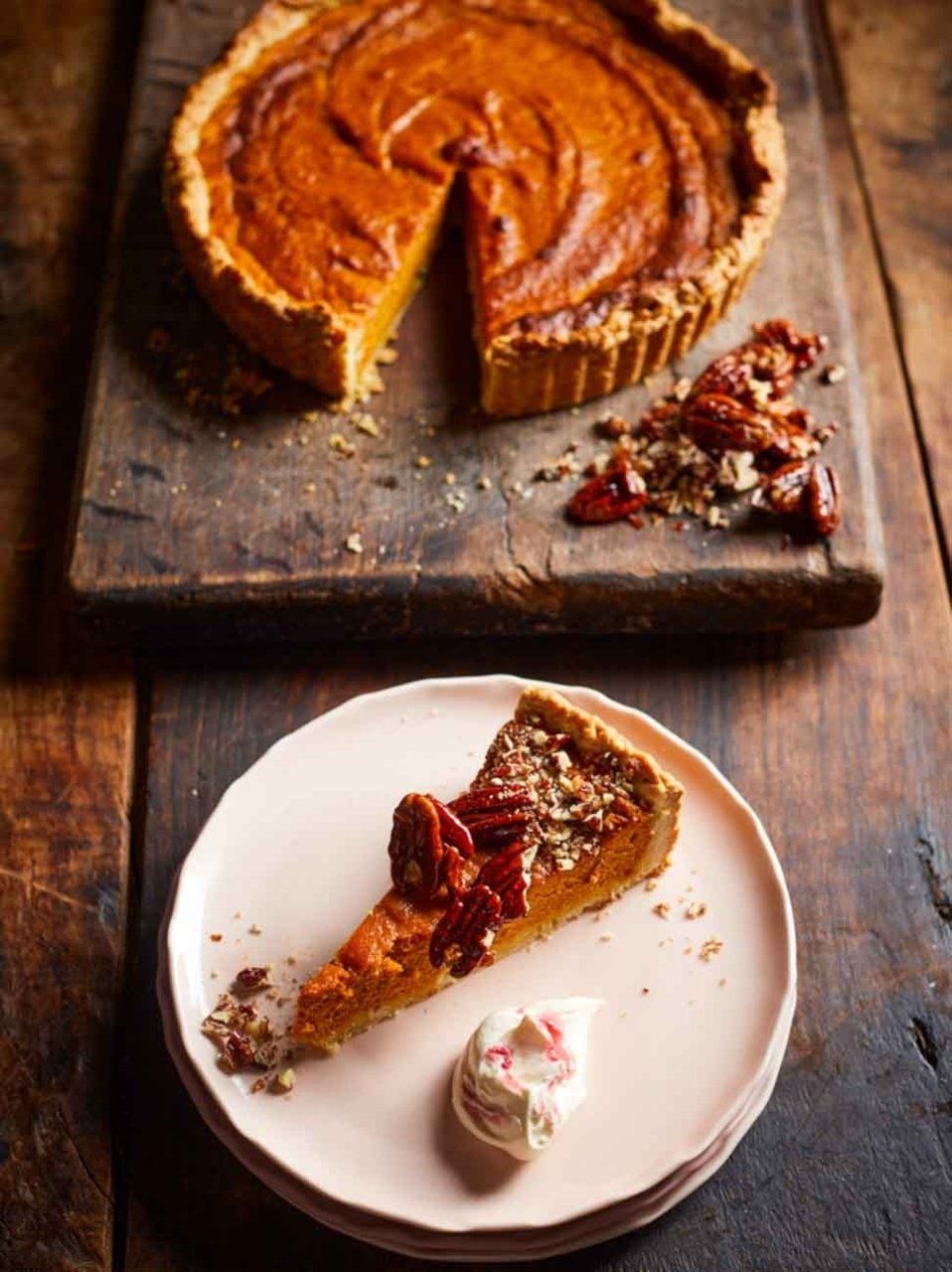
The Quest for Pumpkin Pie Perfection: A Five-Year Culinary Journey
The aroma of warm spices mingling with sweet pumpkin is a quintessential symbol of comfort and celebration. Yet, despite its seemingly simple ingredient list, perfecting the quintessential
pumpkin pie can be an astonishingly elusive culinary challenge. Many home bakers, and indeed professional ones, grapple with common pitfalls: a watery filling, an unappetizingly cracked surface, a soggy crust, or a flavor profile that’s either too bland or overwhelmingly spiced. For some, the journey to a truly flawless
pumpkin pie has been a dedicated, years-long endeavor, a testament to the fact that true perfection often demands persistence.
Imagine dedicating five years to one singular dessert. That’s the kind of commitment it takes to truly understand every variable, every nuance, every potential pitfall of this beloved treat. From battling "curdled" fillings and a bizarre blend of spices to confronting severe cracks and inconsistent textures, the path to the ultimate
pumpkin pie is paved with trial and error. But through this rigorous dedication, a recipe emerges that transcends the ordinary—a pie that is perfectly set, beautifully bronzed, exquisitely spiced, and, crucially, crack-free and without a hint of a soggy bottom. This isn't just another recipe; it's the culmination of countless experiments, a true labor of love designed to deliver a pumpkin pie experience that is, quite simply, unparalleled.
Crafting the Flawless Filling: Beyond Just "Dump and Mix"
The heart of any exceptional
pumpkin pie lies in its filling. While many recipes advocate a straightforward "dump-and-mix" approach, achieving that silky-smooth, custardy texture with a rich, balanced flavor requires a more thoughtful methodology. The quality and preparation of your pumpkin puree, along with how you introduce your spices, are critical differentiators.
The Art of Pumpkin Puree: Fresh vs. Canned
The debate between fresh and canned pumpkin puree is perennial. While canned pumpkin offers unparalleled convenience and consistent texture, making your own can be incredibly rewarding. However, not all homemade purees are created equal. Through extensive testing, it's clear that the method of cooking the pumpkin significantly impacts the final pie's texture.
*
Boiling pumpkin, while quick, infuses the pumpkin with too much water, leading to a watery filling that struggles to set properly.
*
Roasting pumpkin, often lauded for its deep, caramelized flavor, can paradoxically make the puree too dry and thick once mashed. This results in a dense, less soft pie filling.
* The optimal method?
Steaming. Steaming pumpkin pieces preserves their natural moisture without oversaturating them. Once steamed, they can be mashed or pureed in a food processor and then passed through a fine-mesh sieve. This yields a puree remarkably close in consistency and performance to high-quality canned pumpkin. For more detailed insights into perfecting your puree, consider reading
Unlock Rich Flavor: Best Pumpkin Puree Techniques for Your Pie.
The Magic of Gently Cooking Spices and Pumpkin
Here's where the "beyond dump-and-mix" philosophy truly shines. A crucial, yet often overlooked, step is to gently cook the pumpkin puree and spices together for a brief five minutes *before* mixing with the remaining liquid ingredients. This simple technique offers dual benefits:
1.
Removing Excess Water: Even canned pumpkin contains a degree of moisture. Lightly cooking it helps evaporate some of this excess, preventing a soggy pie crust base.
2.
Blooming the Spices: Heat unlocks and intensifies the aromatic compounds in your spices (cinnamon, nutmeg, ginger, cloves). This "blooming" process creates a more complex, deeply flavored filling where the spices are noticeable but don't overpower the natural sweetness of the pumpkin. The result is a filling that’s sweet without being cloyingly so, and perfectly spiced for a harmonious balance.
The Crust: Foundation of a Masterpiece (Homemade vs. Store-Bought)
No matter how perfect your filling, a truly exceptional
pumpkin pie requires a worthy vessel. The crust is not just a container; it's an integral part of the experience, providing a textural counterpoint to the creamy filling. While store-bought pie crusts offer undeniable convenience, discovering the ease of a homemade crust often changes bakers' perspectives forever.
Making a flaky, buttery pie crust from scratch can seem daunting, but with a food processor, it can be astonishingly quick—often taking mere minutes. The fresh, rich flavor and delicate texture of a homemade crust elevate the entire pie. For the ultimate experience, a sturdy, perfectly baked homemade crust provides the ideal foundation.
A common lament is the dreaded soggy bottom crust. While our gentle cooking method for the filling significantly mitigates this risk by reducing excess moisture, ensuring your pie crust is adequately blind-baked (partially baked before filling) can add an extra layer of protection, particularly if you're prone to a wetter filling or an oven that bakes unevenly. The goal is a crisp, golden base that stands up beautifully to the rich, custardy filling.
Conquering Common Pumpkin Pie Catastrophes: No Cracks, No Curdles
The journey to the ultimate
pumpkin pie is often marked by battles against two formidable foes: surface cracks and a curdled filling. These issues, while seemingly minor, can detract significantly from the pie's aesthetic and textural appeal.
Achieving a Crack-Free Surface
A beautifully smooth, bronzed surface is the hallmark of a perfectly baked
pumpkin pie. Cracks, though often cosmetic and sometimes "self-healing" as the pie cools and settles, can be frustrating. The key to preventing them lies in understanding the science of baking and cooling:
1.
Don't Overbake: Overbaking is the primary culprit behind cracks. The filling continues to cook and set as it cools, so it's crucial to remove the pie from the oven when the edges are set, but the very center still has a slight wobble, like unset gelatin. A thermometer inserted into the center should read around 175°F (80°C).
2.
Gentle Cooling: Rapid temperature changes can cause the pie to contract too quickly, leading to cracks. Allow your pie to cool gradually on a wire rack at room temperature. Avoid moving it to the refrigerator immediately.
3.
The Steaming/Cooking Step: The pre-cooking of the pumpkin and spices mentioned earlier also contributes to a more stable filling, less prone to cracking. By removing excess water and blooming the spices, the filling sets more uniformly and with a more robust structure. For a deeper dive into preventing these issues, check out
Master the Perfect Pumpkin Pie: No Cracks, No Soggy Crust.
Ensuring a Smooth, Custardy Filling
No one wants a lumpy or curdled filling. The secret to that luxurious, soft-custardy texture lies in careful ingredient integration and proper baking. Our method of gently cooking the pumpkin and spices lays the groundwork for stability. Beyond that, ensure all your wet ingredients are at room temperature to encourage smooth mixing. When baking, maintain a moderate oven temperature, as too high a heat can cause the custard to cook too quickly and curdle. The result? A filling that is velvety smooth, meltingly tender, and bursting with flavor.
Finally, no ultimate
pumpkin pie experience is complete without its accompaniments. A generous dollop of freshly whipped cream is not merely an option; it's an essential partner, adding a luscious creaminess and a perfect textural contrast. For an extra touch of elegance and tartness, consider pairing it with a sprinkle of sugared cranberries—a truly elevated finishing touch that makes every slice an indulgence.
Conclusion: The Ultimate Reward of Perseverance
The journey to developing the ultimate
pumpkin pie recipe is one of passion, precision, and an unyielding commitment to excellence. It’s a five-year testament to the idea that some culinary masterpieces aren't born overnight but are forged through relentless experimentation and a deep understanding of ingredients and techniques. From mastering the subtle art of pumpkin puree preparation and the transformative power of blooming spices to conquering the perennial challenges of soggy crusts and cracked surfaces, every step contributes to a pie that is truly flawless. This recipe isn't just about combining ingredients; it's about crafting an experience—a perfectly balanced, exquisitely textured, and intensely satisfying celebration of one of the season's most cherished flavors. Now, armed with these insights, you too can achieve
pumpkin pie perfection and delight in the ultimate reward of a truly exceptional homemade dessert.